
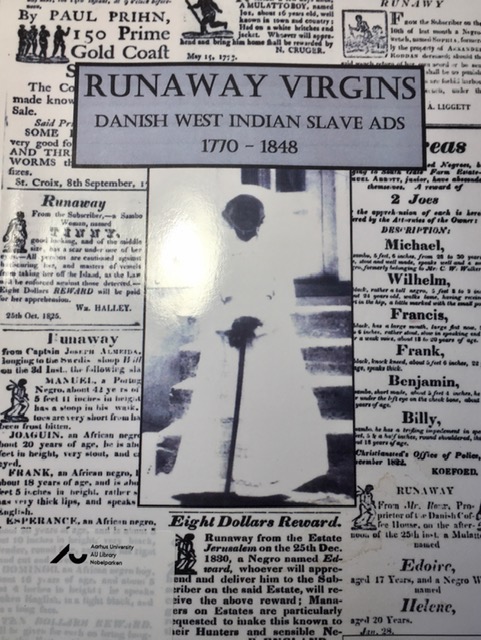
A book predominantly based on newspaper advertisements from the 18th century demonstrates that there are various ways of recounting history.
‘RUNAWAY VIRGINS: Danish West Indian Slave Ads 1770 – 1848’, by Enrique F. Corneiro, is based on ads placed in several newspapers on the Danish Virgin Islands between the years 1770 and 1848. Consisting of Saint Thomas, Saint John and Saint Croix, the islands were a Danish colony until 1917 when the United States bought them, and changed the name to United States Virgin Islands.
The book begins with personal information about the author’s great, great grandmother, who was born 14 years after the abolishment of slavery on the Virgin islands, and was the inspiration for the book. Readers then learn about the main events relating to slavery, as well as important enslaved Africans and Danish figures that contributed to the eventual abolishment of slavery on the islands in 1848. This introductory part gives some historical context about the African slave trade on the islands.
Woman with three toes missing
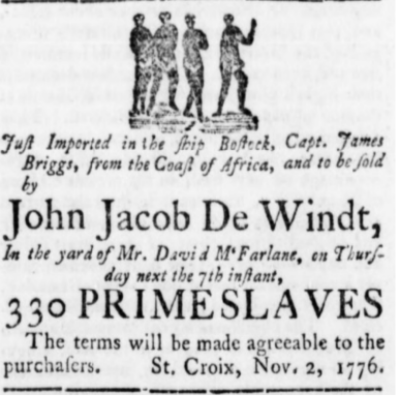
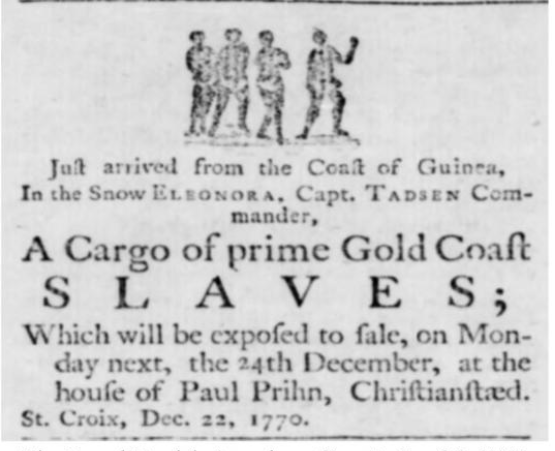
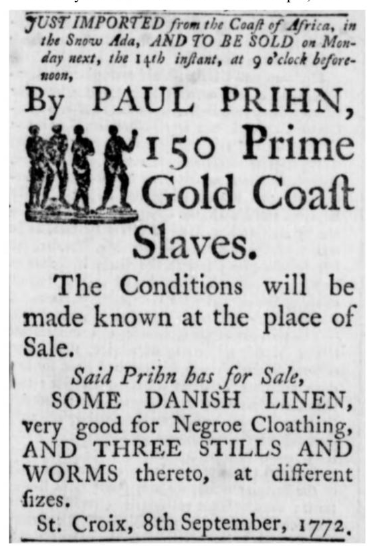
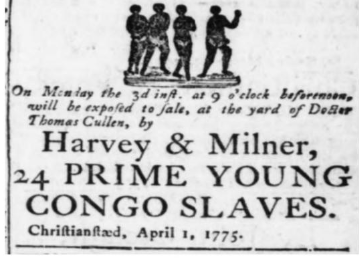
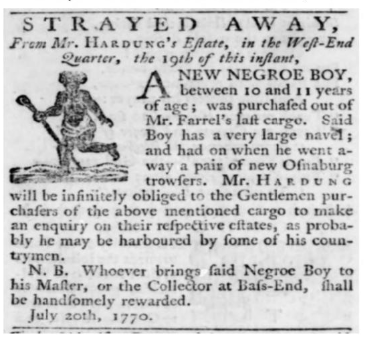
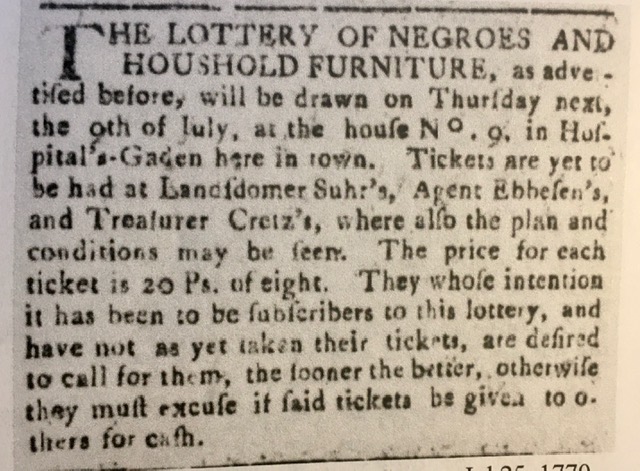
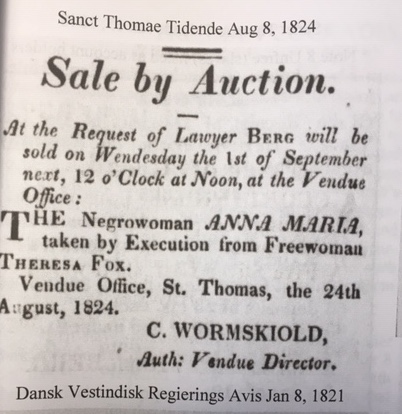
The adverts have been arranged according to topic, including background information in each section. There are ads about the sale of sugar plantations, auctions of slaves together with household goods, and rewards for capturing runaway slaves.
Some ads are so detailed that they successfully create vivid, but horrifying mental pictures in the mind of the reader. For instance, one of the ads describes in chilling detail how a man by the name of Harry attempted to cut his throat before escaping, an implication that he might have attempted to commit suicide.
Another ad offers a reward for recapturing a woman with three middle toes missing, which may lead readers to speculate that the woman missed her toes while working in the field, or the toes might have been chopped off as punishment. Even more shocking are several adverts offering rewards for finding children as young as 10 years old. One child is said to have escaped, while another boy got lost and wandered away in the thick sugar plantations, which served as forced labour fields for enslaved people at the time.
Skilled, intelligent and multilingual
The ads also tell us that some of the African slaves were skilled in various trades, intelligent and multilingual. For example, one enslaver placed an ad offering a reward for recapturing a man who was a carpenter and wheelwright by trade. Wheelwrights were important people in those days because their job was to make and repair wheels for carriages, the main form of transport at the time. This required professional craftmanship.
In a different advert, a reward was offered for any sightings of a woman who spoke English, Danish, French and Spanish. In another ad, a desperate owner offers a reward of 16 USD (about 500 USD today) for capturing an African-born man who was “good-looking, active, pleasing, intelligent and cunning.”
African slaves as payment for goods or animals
Apart from offering cash, the adverts tell us that traders sometimes took African slaves as payment for goods or animals. One of the newspaper advertisers is selling some horses, stating that “Negroes will be taken in payment.”
On the whole, the book successfully uses newspaper adverts to tell the story of slavery on the Virgin Islands. It’s a valuable contribution to the history of the transatlantic slave trade, along side conventional history books and films on slavery. The book is quick and easy to read, and can therefore be used in primary schools for education on slavery.
Book review by Chanda Kristensen
RUNAWAY VIRGINS – Danish West Indian Slave Ads, 1770 – 1848 (124 pages) was first published in 2018 by Pending. You can buy the book on Amazon, or borrow it from the library – if you’re in Denmark.
Worth to know
For more than two centuries, European slave ships forced millions of Africans on board to sail to the Caribbean islands for a life of slavery. The Danish National Archives estimates that Danish slave ships transported around 120,000 Africans to the West Indies during the nearly 250 years Denmark ruled as a colonial power.
Below is a selection of ads from the book. Share your thoughts in the comment section after the pictures.
 NEWSPAPERS of the WORLD